Tokenization Tactics for Securing Cardholder Data in High-Risk Mobile Payment Processes
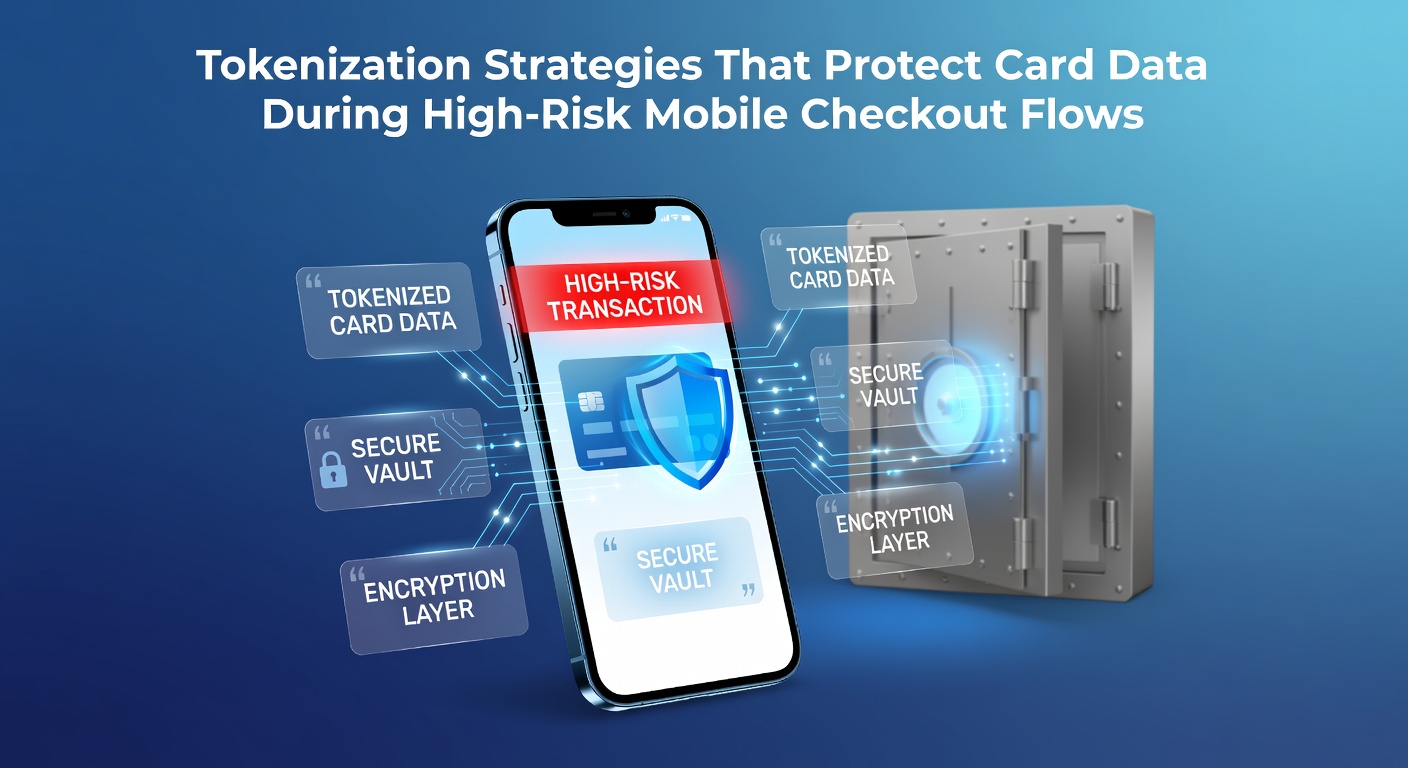
High-risk mobile checkout flows often involve cross-border transactions, new device pairings, and elevated fraud signals that prompt merchants to seek stronger data protection layers, and tokenization replaces primary account numbers with unique identifiers that limit exposure when data moves across networks.
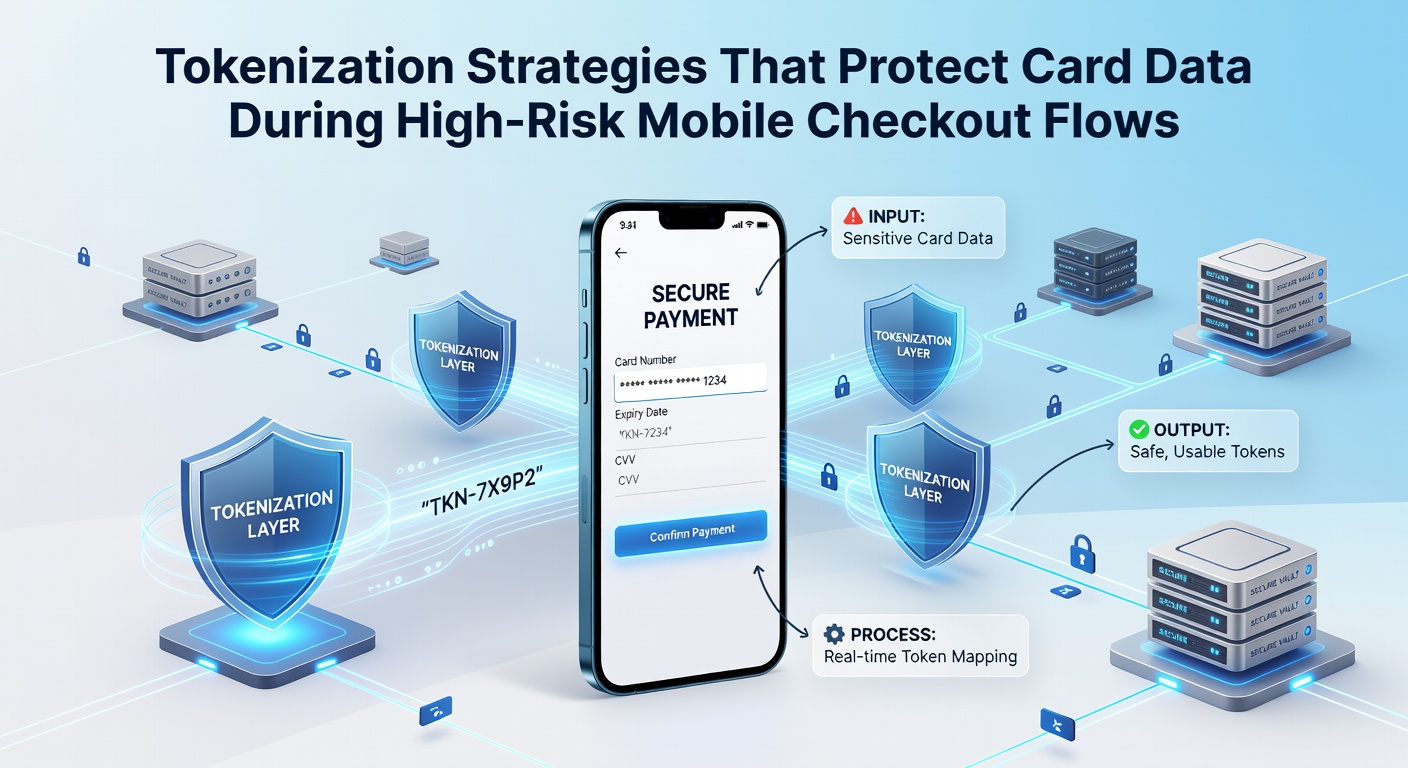
Payment processors generate tokens through secure vaults where the actual card details stay isolated while substitute values handle authorization requests, and this separation reduces the value of any intercepted information during transit or storage on mobile devices.
Core Mechanics Behind Token Replacement
Token service providers issue tokens that bind to specific devices or merchants through cryptographic keys, and these bindings prevent reuse on unauthorized hardware even if a token leaks from a compromised app session. Observers note that network-level tokens issued under EMVCo frameworks add an extra validation step where issuers confirm the token's origin before approving charges.
Device fingerprinting combines with token generation to create context-aware identifiers, and systems evaluate factors such as IP address ranges, operating system versions, and behavioral patterns before releasing tokens for high-value transactions. Research from the PCI Security Standards Council indicates that merchants who integrate these combined controls see measurable drops in account takeover incidents compared with static card storage methods.
Strategies Tailored to Elevated Mobile Risks
Dynamic token rotation refreshes identifiers after each successful authorization or within short time windows, and this approach counters replay attacks common in mobile environments where session hijacking attempts spike during peak shopping periods. High-risk flows also benefit from domain-specific tokens that restrict usage to particular merchant categories or geographic zones, and issuers enforce these limits through real-time checks during the authorization sequence.
Multi-party token sharing allows gateways and acquirers to exchange limited-scope tokens without exposing full credentials, while encryption layers wrap each token exchange to maintain integrity across third-party integrations. Data from the European Banking Authority shows that cross-border mobile transactions processed with these scoped tokens experienced lower dispute rates in regulated markets through mid-2025.
Integration Patterns Observed in Production Systems
Merchants embed token requests directly into mobile SDKs that trigger vault calls before checkout screens load, and this preemptive step shortens the window during which raw card data resides in application memory. Some platforms layer behavioral analytics on top of token issuance so that unusual velocity or location shifts prompt additional authentication challenges before tokens activate.
By June 2026 several major card networks had expanded support for token provisioning APIs that accommodate instant issuance during checkout, and these updates enabled faster processing for users flagged with higher risk scores without increasing storage of sensitive elements on user devices. Implementation teams often test these flows against simulated attack scenarios to verify that token boundaries hold under load.
Compliance and Operational Considerations
Regulatory frameworks in multiple regions require logging of token lifecycle events separately from cardholder data, and auditors review these logs to confirm that no primary account numbers appear in mobile application caches or backend logs. Organizations maintain token revocation lists that propagate quickly to participating networks, allowing rapid shutdown of compromised identifiers across global channels.
Testing protocols include end-to-end validation where simulated mobile checkouts exercise token generation, authorization, and settlement paths, and teams measure latency impacts to ensure the added security steps do not degrade user experience during time-sensitive purchases.
Conclusion
Tokenization strategies continue to evolve alongside mobile payment patterns, and organizations that combine device binding, scoped usage rules, and frequent rotation maintain stronger boundaries around card data even when checkout flows carry elevated risk indicators. Adoption metrics released by industry groups reflect steady integration of these methods across both established and emerging markets.