16 Jun 2026
Tokenization Strategies Transforming Fraud Detection in Recurring Credit Card Payment Networks
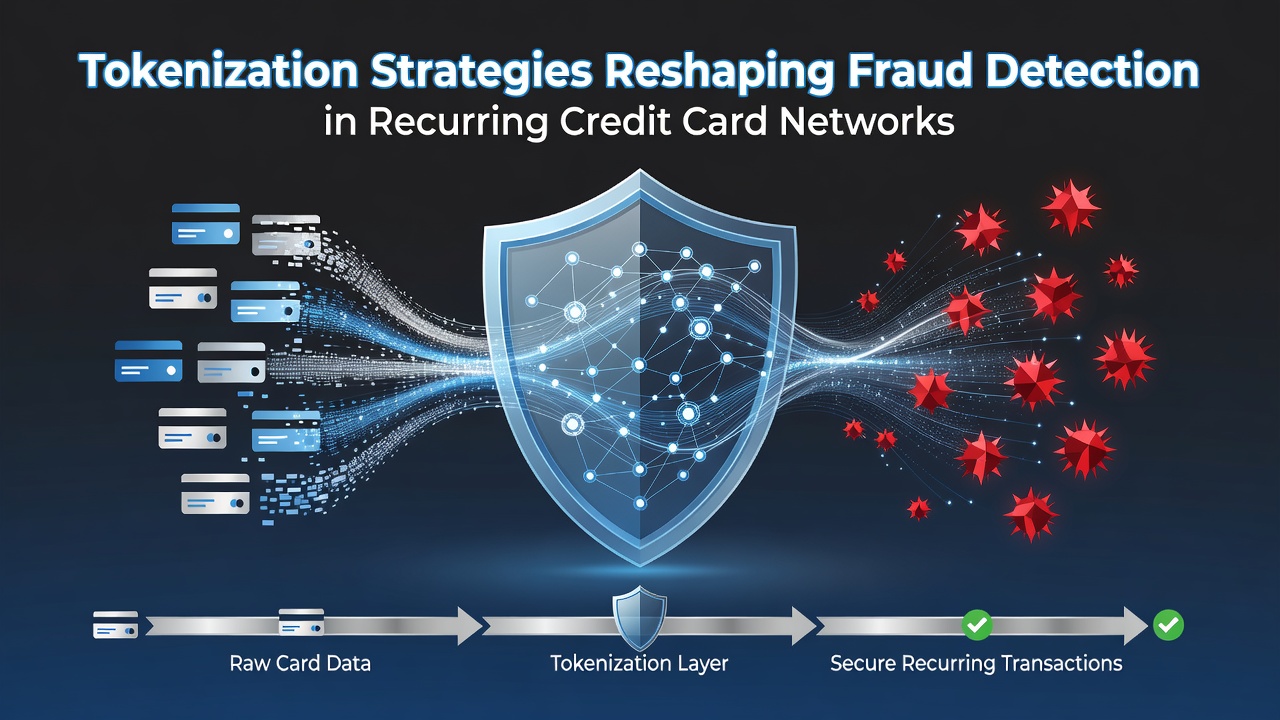
Tokenization replaces sensitive credit card details with unique tokens that hold no intrinsic value outside specific payment ecosystems, and this approach has gained traction in recurring billing setups where subscriptions generate repeated transactions. Networks handling monthly or annual charges benefit because tokens limit exposure if data breaches occur, while also enabling more precise monitoring of transaction patterns over time.
How Tokenization Integrates with Existing Payment Infrastructures
Payment processors embed tokenization at multiple points in the transaction chain, from initial card capture through to ongoing authorization requests, and issuers or schemes like those managed by EMVCo generate these tokens to ensure they remain valid only for designated merchants or use cases. Recurring networks see reduced fraud because tokens decouple actual card numbers from stored records, making it harder for unauthorized parties to replicate genuine payment flows.
Researchers at various institutions have documented how this separation allows systems to flag anomalies faster since each token carries metadata about its intended purpose, such as subscription frequency or geographic restrictions. When a token appears in an unexpected context, automated rules trigger reviews without needing to reference full card data each time.
Key Strategies Employed Across Global Networks
One prominent method involves network-level tokenization where card schemes create and manage tokens centrally, and this setup supports interoperability between different acquirers while maintaining consistent security controls. Another strategy relies on issuer-generated tokens that tie directly to customer accounts, allowing banks to enforce custom fraud thresholds based on spending history.
Hybrid approaches combine both, and data from industry analyses indicate these methods cut credential-based attacks by restricting token usability to verified channels. Observers note that merchants adopting these strategies report smoother operations because token refreshes happen seamlessly during routine billing cycles without customer intervention.
Enhancing Detection Through Combined Technologies
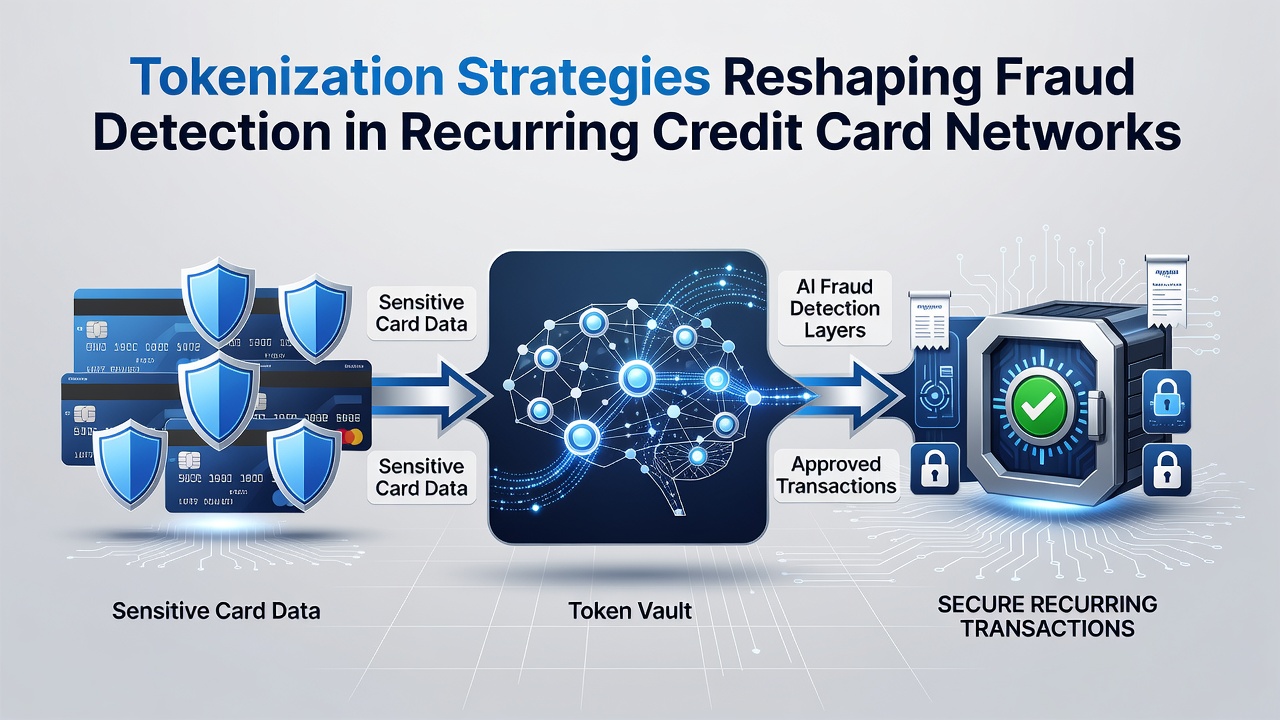
Fraud detection platforms layer machine learning models atop tokenized data streams, and these systems analyze velocity patterns, device fingerprints, and behavioral signals to identify deviations in recurring sequences. Because tokens lack standalone value, any attempt to misuse them stands out more clearly against legitimate usage baselines established over multiple billing periods.
Studies from academic sources highlight cases where European payment providers integrated token metadata with real-time scoring engines, resulting in quicker isolation of compromised subscriptions. In Australia, regulatory updates from the Australian Securities and Investments Commission have encouraged similar practices to align with broader data protection standards, showing measurable declines in unauthorized recurring charges.
Implementation Considerations for Merchants and Processors
Merchants must update their payment gateways to request and store tokens instead of raw card numbers, while ensuring compliance with frameworks such as those outlined by the PCI Security Standards Council. Processors handle the mapping between tokens and underlying credentials behind secure vaults, which reduces the scope of audits and potential liability during incidents.
Those who've studied deployment timelines point out that phased rollouts minimize disruption to existing recurring schedules, and testing phases often reveal how token lifecycles can be configured to expire or rotate based on risk profiles. This flexibility proves especially useful in cross-border recurring setups where regulatory requirements differ by jurisdiction.
Trends Observed Through Mid-2026
By June 2026, adoption metrics from various payment associations showed expanded use of dynamic tokenization in subscription services, with emphasis on real-time validation during each billing event. Such developments build on earlier shifts toward token-centric architectures that support stronger authentication without adding friction for cardholders.
Evidence suggests continued refinement of these strategies will incorporate more granular controls, including tokens scoped to specific transaction amounts or frequencies, which further tightens detection capabilities in high-volume recurring environments.
Conclusion
Tokenization strategies continue to reshape how recurring credit card networks approach fraud detection by limiting data exposure and enhancing pattern recognition capabilities. Networks that implement these methods alongside complementary tools achieve more robust protections while maintaining operational efficiency across billing cycles. As standards evolve, the focus remains on seamless integration that supports both security and user experience in subscription-based payments.