Tokenization Paving the Way for Borderless Subscription Services in Specialized Retail
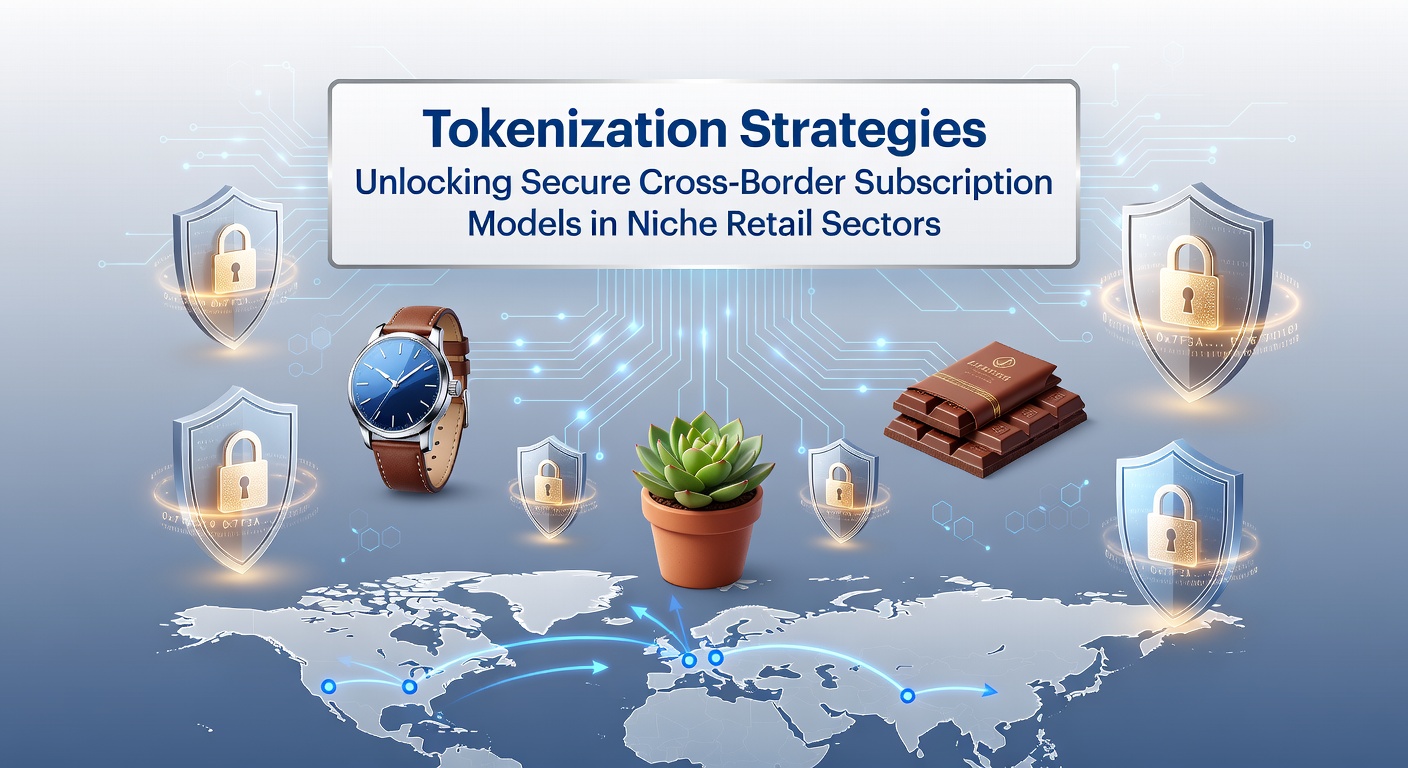
Tokenization replaces sensitive payment card details with unique digital tokens that hold no intrinsic value if intercepted, and this approach has gained traction among retailers operating subscription models across international boundaries in specialized market segments such as artisanal food deliveries, hobbyist collectibles, and sustainable wellness products. Observers note that these sectors often rely on recurring billing to maintain customer relationships while navigating varying regulatory frameworks in multiple jurisdictions, and data from industry analyses show that tokenization reduces exposure during data transmission between merchants, acquirers, and issuers.
Studies conducted by payment security researchers indicate that in cross-border scenarios the process involves generating tokens through a secure vault managed by a payment processor, after which the tokens facilitate authorization requests without ever exposing the original card number. This method aligns with standards established under frameworks like the Payment Card Industry Data Security Standard, and figures reveal that adoption rates among mid-sized retailers in niche categories rose steadily through 2025 as platforms integrated these tools to handle multi-currency transactions seamlessly.
Core Mechanisms Driving Secure Recurring Transactions
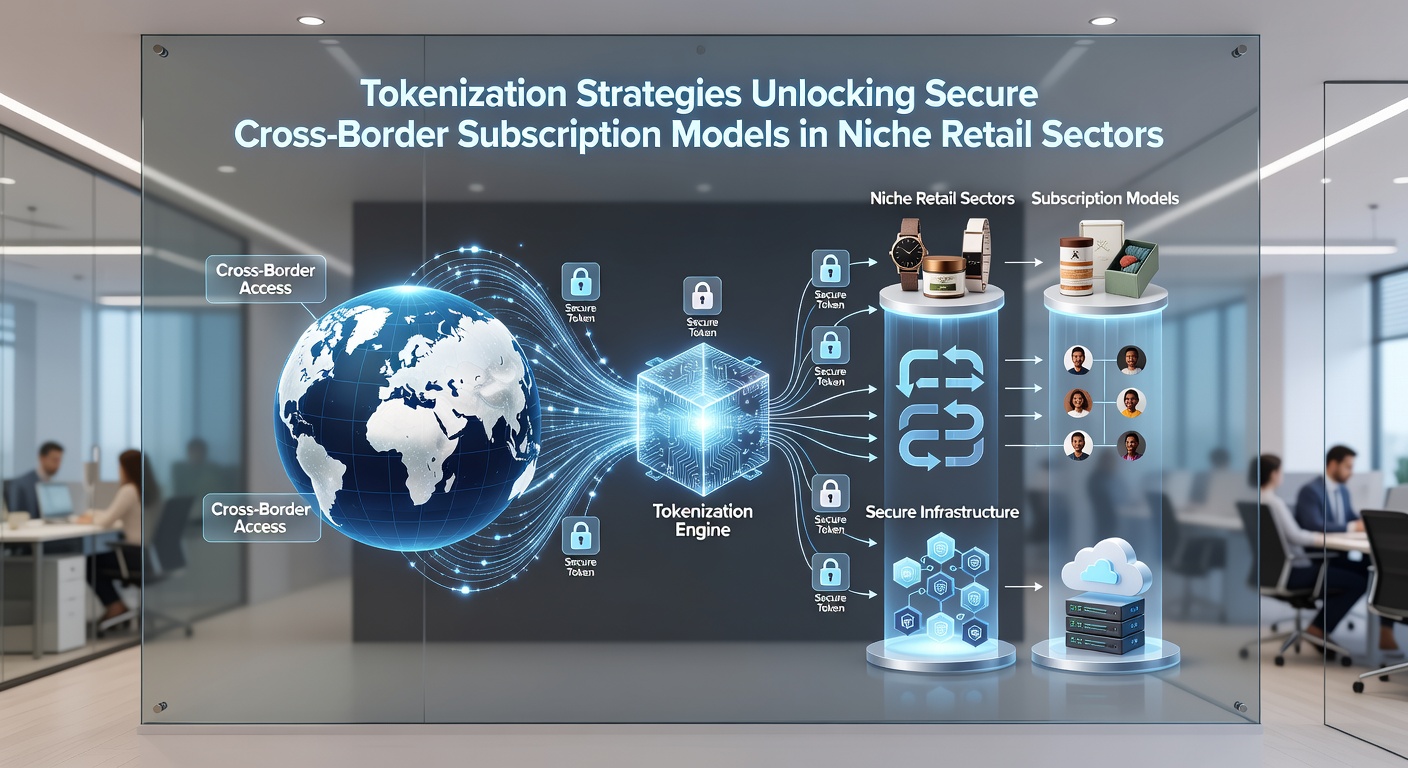
Merchants in niche retail segments initiate tokenization at the point of initial card capture, where a third-party vault stores the primary account number and issues a token mapped to that record for future use, while the actual card details remain isolated from the retailer's systems. According to reports from the Monetary Authority of Singapore, such vaults incorporate encryption layers and access controls that comply with regional data protection rules, enabling subscription renewals to proceed via token references even when billing addresses span continents. What's interesting is how this setup supports dynamic currency conversion during authorization, since the token travels with metadata that includes expiration handling and fraud scoring parameters without transmitting raw account information.
Those who've examined implementation cases find that niche retailers benefit particularly because their customer bases frequently include international enthusiasts who prefer automated renewals for limited-edition items or personalized product boxes, and the token lifecycle allows updates to billing details through reference to the vault rather than requiring full re-entry. In May 2026 new interoperability guidelines from the Bank for International Settlements are scheduled to take effect in pilot programs across select markets, which aim to standardize token formats for recurring payments and reduce friction in regions where currency volatility affects subscription pricing models.
Application Patterns Across Niche Retail Categories
Specialty sectors demonstrate distinct usage patterns where subscription models intersect with cross-border logistics, for instance collectors of rare trading cards often subscribe to monthly curation services sourced from overseas suppliers, and tokenization ensures that payment credentials stay protected throughout the fulfillment cycle involving customs declarations and multi-party settlements. Research from academic institutions in Australia highlights how these strategies lower chargeback incidents by maintaining consistent token associations that flag unusual activity patterns, such as sudden geographic shifts in usage, without compromising the speed of authorization responses.
Another example appears in the eco-friendly apparel niche, where recurring shipments of organic fabrics from European producers to North American subscribers rely on tokenized profiles to manage seasonal billing adjustments, and data compiled by the European Central Bank shows measurable declines in processing delays when tokens replace repeated card transmissions. People who've analyzed these deployments observe that integration with existing inventory systems allows retailers to trigger renewals automatically based on stock levels, all while the underlying payment infrastructure handles compliance with varying tax reporting requirements across borders.
Strategic Implementation Approaches and Supporting Infrastructure
Retailers pursuing these models typically begin with assessment of their current payment gateways to confirm support for tokenization protocols that extend to international acquiring networks, then proceed to configure vault partnerships that accommodate region-specific rules around data residency. Evidence from trade association surveys suggests that phased rollouts, starting with domestic subscriptions before expanding to cross-border cohorts, yield smoother transitions because teams can refine fraud detection rules tied to token usage analytics. And yet the reality is that smaller operators in niche areas sometimes partner with established processors to access these capabilities without building proprietary vaults, which distributes the compliance burden while preserving control over customer token mappings.
What's significant is the role of metadata enrichment during token generation, since additional fields for subscription frequency and product categories enable more precise risk scoring that accounts for cross-border variables like time zone differences in billing cycles. Federal Reserve analyses from the United States document how such enriched tokens contribute to higher approval rates on recurring transactions compared to non-tokenized alternatives, particularly when issuers apply behavioral models that recognize established subscription patterns across multiple countries.
Navigating Regulatory and Operational Considerations
Cross-border subscription operations encounter layered requirements including consumer protection statutes in the European Union alongside emerging digital payment directives in Asia-Pacific jurisdictions, and tokenization assists compliance by minimizing the scope of stored data subject to breach notification rules. Those monitoring regulatory developments note that alignment with these frameworks often involves mapping token permissions to consent records collected at signup, ensuring that renewals respect opt-out provisions without reprocessing full card details. But here's the thing: operational teams must coordinate with logistics providers because delivery confirmations sometimes feed back into payment authorization workflows, and tokenized systems accommodate this by allowing status updates linked to the token identifier rather than account numbers.
Case examples from Canadian research papers illustrate retailers in the specialty tea and coffee subscription space who integrated tokenization to manage renewals from customers in over thirty countries, achieving consistent processing times even amid fluctuating exchange rates and local tax calculations. These implementations underscore the importance of regular token rotation schedules that maintain security hygiene while supporting long-term customer retention through uninterrupted service access.
Conclusion
Tokenization continues to reshape how niche retailers structure secure recurring payments that span international markets, with infrastructure developments slated for May 2026 promising further standardization that could expand accessibility for smaller operators. Data from multiple regulatory and academic sources confirm reductions in data exposure risks alongside improvements in transaction reliability, while practical deployments in specialized sectors demonstrate adaptability to diverse product types and customer geographies. As these strategies mature, the focus remains on seamless integration that prioritizes both security protocols and operational efficiency across borders.