Retailers Harnessing API Tokenization to Secure Recurring Mobile Wallet Transactions in Niche Markets
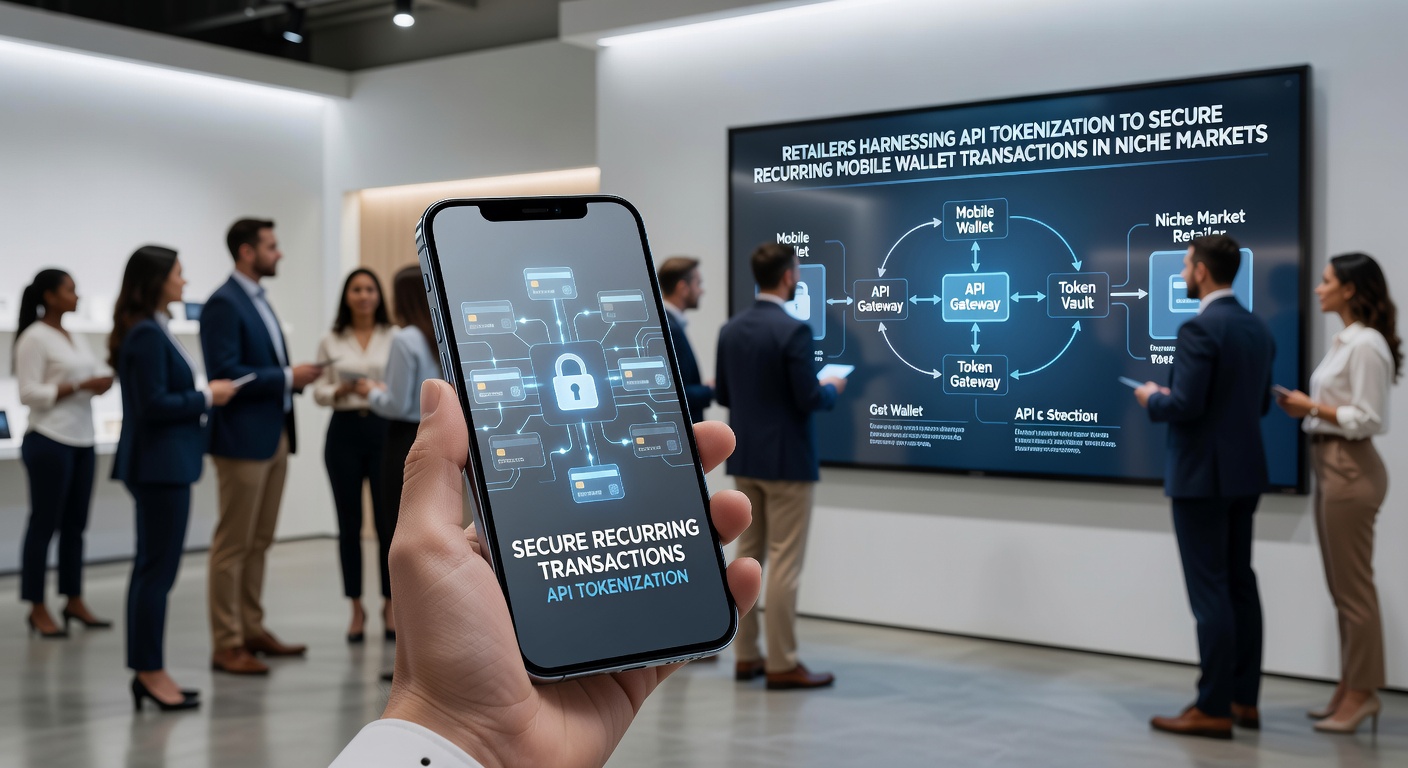
Specialty retailers in areas such as artisanal food subscriptions, hobby equipment renewals, and wellness product deliveries have turned to API tokenization combined with mobile wallet integrations to handle recurring charges. This approach replaces sensitive payment credentials with unique tokens that payment processors generate and manage through secure APIs. Data from industry reports indicate that tokenization reduces exposure of actual card details during each transaction cycle while maintaining seamless authorization flows for customers using services like Apple Pay or Google Pay on a repeated basis.
Payment gateways facilitate these processes by embedding tokenization endpoints directly into merchant APIs. When a customer initiates a recurring mobile wallet payment, the system requests a token that represents the funding source without transmitting full account numbers across networks. Research from payment security organizations shows this method aligns with standards that require protection of cardholder data throughout the transaction lifecycle, and niche market operators benefit because their customer bases often rely on predictable billing schedules for limited-run or membership-based offerings.
Mechanics of API-Driven Tokenization in Mobile Wallets
API connections allow retailers to request token creation at the point of initial wallet enrollment, after which subsequent charges reference only the stored token identifier. Mobile wallet providers supply their own tokenized representations that payment processors further secure through additional layers, creating a chain where each party handles only the minimum necessary data. Observers note that this layered structure proves especially useful in niche sectors where transaction values remain modest yet occur on fixed intervals, such as monthly deliveries of craft materials or quarterly updates to specialized software licenses.
Integration typically occurs through documented endpoints that merchants call during checkout and billing runs. The process begins with customer consent captured via the wallet interface, followed by API calls that generate and store the token on the processor side. Studies conducted by academic research teams at institutions focused on financial technology have documented how these workflows maintain authorization success rates above 95 percent in tested recurring scenarios, even when customers update their underlying payment methods through their mobile devices.
Application in Specialized Retail Segments
Niche retailers handling recurring transactions often operate with smaller customer volumes compared to general e-commerce, which makes fraud prevention critical to maintaining profitability. Tokenization through APIs enables these businesses to store payment references without holding actual card data on their own servers, thereby narrowing the scope of compliance requirements under frameworks like PCI DSS. Figures from regulatory updates in regions including the European Union and Canada reveal that merchants adopting such measures experience measurable declines in unauthorized transaction attempts within subscription-style models.
Take the case of retailers supplying monthly kits for model-building enthusiasts or organic pet nutrition programs. These operations rely on customers authorizing future payments during the first mobile wallet interaction, after which APIs handle all subsequent charges using tokens. Industry associations tracking digital commerce trends report that this setup supports higher retention because customers avoid re-entering details, while the underlying security reduces chargeback volumes that can strain smaller operations.
Security Protocols and Regulatory Alignment as of May 2026
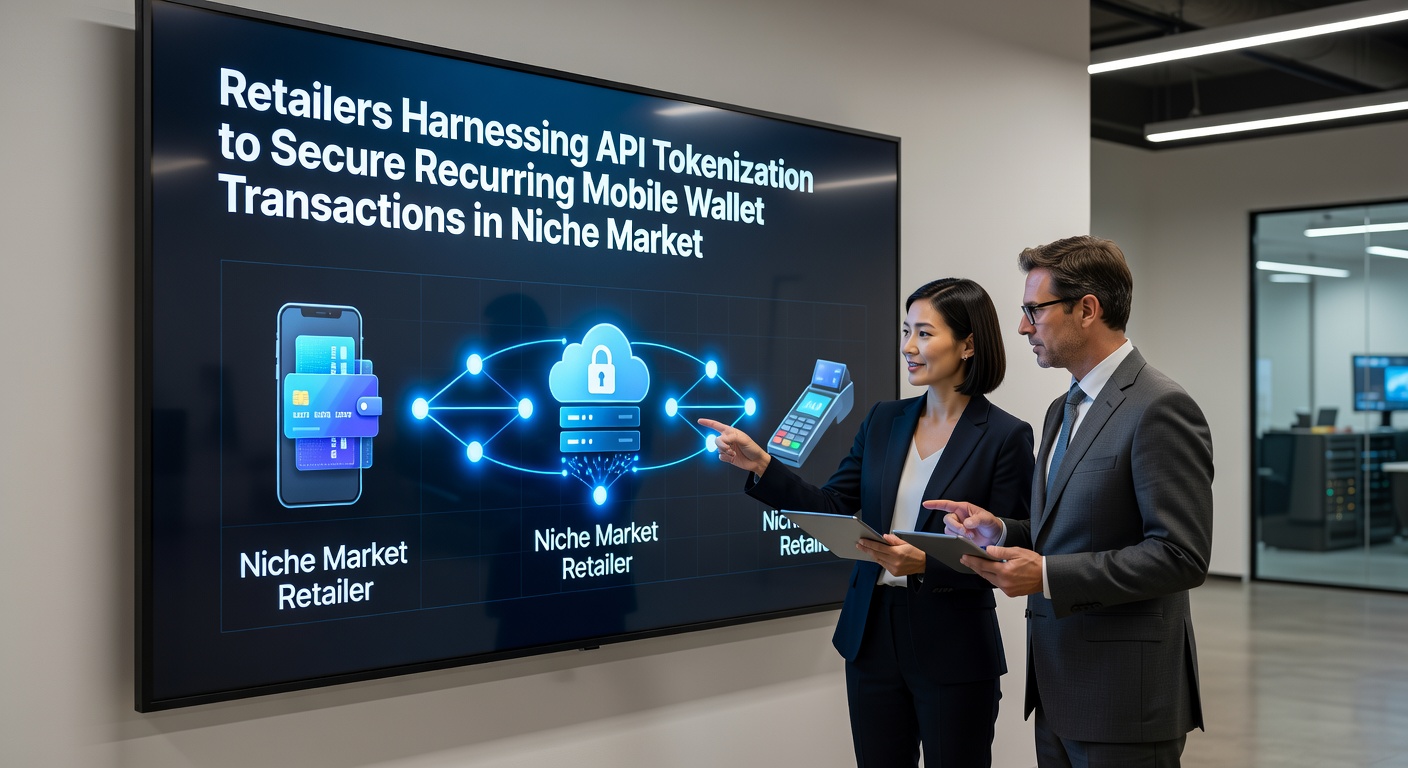
As of May 2026, updates to global payment standards have emphasized enhanced token lifecycle management, including automated rotation of tokens after defined periods or upon detected anomalies. Retailers in niche markets integrate these features through their chosen gateway APIs to align with evolving requirements from bodies such as the PCI Security Standards Council. PCI Security Standards Council guidelines outline specific controls that tokenization must satisfy to qualify as an approved data protection method during recurring authorizations.
Additional oversight comes from regional frameworks, including directives issued by the Australian Payments Network that address digital wallet usage in subscription services. These rules encourage the use of tokenized representations to limit data movement across borders, which benefits retailers serving international niche audiences with recurring deliveries. Research papers published by university departments specializing in cybersecurity have analyzed transaction logs from similar implementations and found correlations between tokenization adoption and lower instances of account takeover attempts in recurring billing environments.
Merchants also incorporate monitoring tools that flag unusual patterns, such as sudden changes in device location or payment velocity, and trigger token invalidation through API calls when thresholds are exceeded. This proactive stance helps maintain trust in segments where customers value both convenience and protection of their payment information over multiple billing cycles.
Implementation Considerations for Niche Operators
Retailers evaluating API tokenization for mobile wallet recurring payments typically begin with an assessment of their current gateway capabilities and the specific wallet providers their customers prefer. Documentation from processor platforms details the required API parameters for token requests, storage, and subsequent use in scheduled charges. Those who've studied these rollouts observe that testing environments allow simulation of full billing cycles before live deployment, which minimizes disruptions for ongoing subscription services.
Costs associated with these integrations often involve per-transaction fees plus any premium charges for advanced token management features. Data compiled by trade groups focused on specialty retail indicates that the reduction in fraud-related losses frequently offsets these expenses within the first year for businesses processing even moderate volumes of recurring payments.
Conclusion
API tokenization paired with mobile wallet infrastructure provides niche market retailers a structured method for securing recurring transactions without retaining sensitive payment details. The combination supports compliance efforts, streamlines customer experiences across billing cycles, and adapts to regulatory developments observed through May 2026. Organizations examining these tools can reference established standards from multiple jurisdictions alongside case analyses from academic and industry sources to inform their adoption strategies.