Fortifying Mobile Wallets: Gateways, Tokenization, and AI That Block Fraudsters
Fortifying Mobile Wallets: Gateways, Tokenization, and AI That Block Fraudsters
The Rising Tide of Mobile Payment Fraud
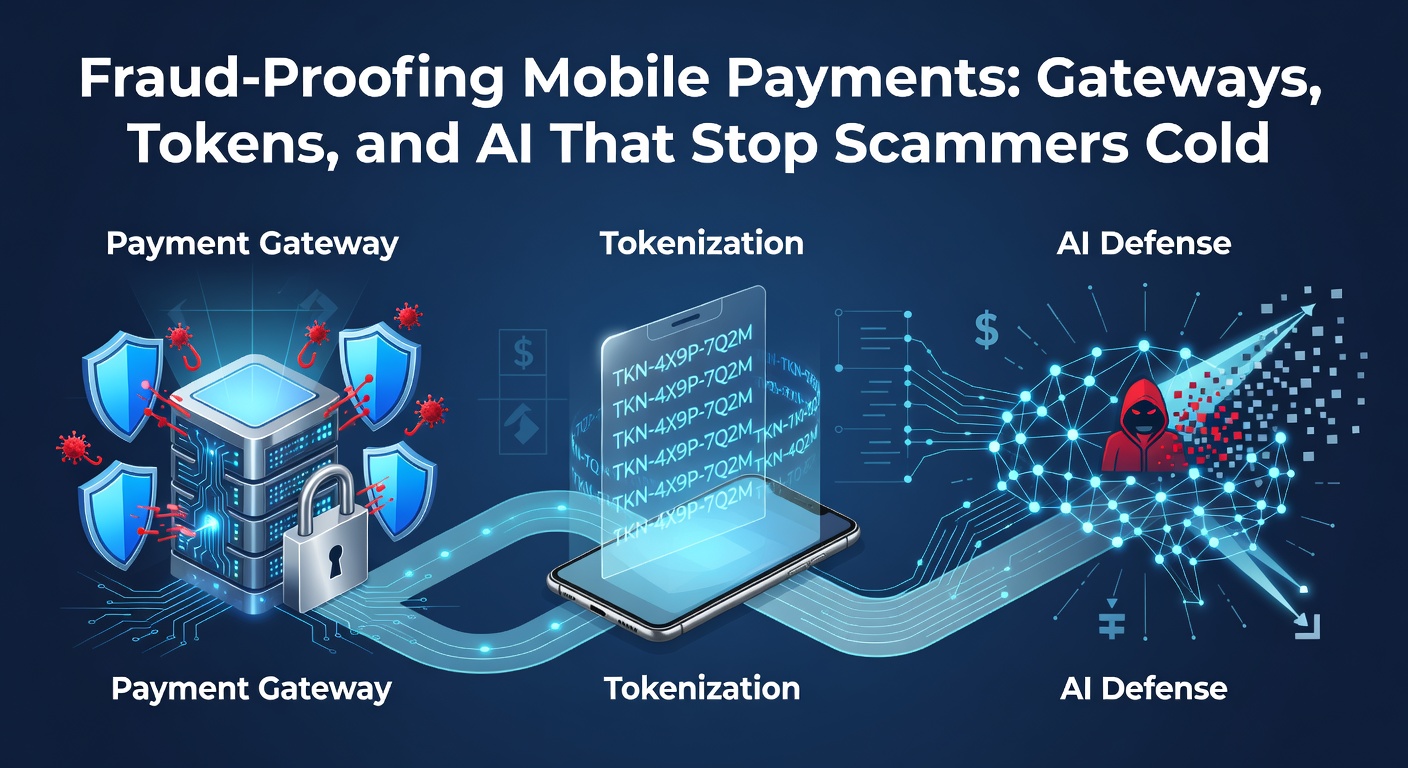
Mobile payments have exploded in popularity, with global transaction volumes hitting $4.5 trillion in 2023 according to figures from the Statista research platform, yet fraud attempts have surged alongside them, climbing 15% year-over-year as scammers target apps like Apple Pay, Google Wallet, and Samsung Pay. Experts observe that thieves exploit vulnerabilities in unsecured networks, phishing schemes, and stolen credentials, leading to billions in losses annually; data from the Federal Trade Commission reveals over $8.8 billion in U.S. fraud reports alone last year, much of it tied to digital wallets. But here's the thing – gateways, tokenization, and AI have stepped up as robust countermeasures, slashing unauthorized transactions by up to 80% in fortified systems.
Observers note how everyday users face risks during tap-to-pay at stores or in-app purchases, where real-time processing leaves little room for error; studies by the PCI Security Standards Council highlight that without layered defenses, interception via man-in-the-middle attacks becomes child's play for sophisticated criminals. And while consumers tap their phones without a second thought, backend technologies work tirelessly to verify legitimacy, flagging anomalies before funds move.
Payment Gateways: Armored Front Doors for Transactions
Payment gateways serve as the critical intermediaries between mobile apps and financial networks, encrypting data in transit while enforcing compliance with standards like PCI DSS; companies such as Stripe and Adyen process millions of mobile transactions daily, integrating 3D Secure protocols that require multi-factor authentication for high-risk purchases. Turns out, these gateways analyze transaction velocity – how often and how fast a device initiates payments – blocking patterns that scream fraud, like 50 attempts from one IP in minutes.
What's interesting is their role in geolocation checks, cross-referencing a user's expected location against the payment origin; for instance, a tap from Sydney when the card links to a Toronto account triggers instant holds, as seen in reports from the Australian Prudential Regulation Authority on regional fraud drops post-implementation. Gateways also route traffic through secure tunnels using TLS 1.3, making eavesdropping nearly impossible even on public Wi-Fi, and they integrate with device sensors like biometric locks, ensuring only authorized fingers or faces complete the deal.
- Real-time authorization: Gateways ping issuers in milliseconds, declining 99% of suspicious bids before completion.
- Fraud scoring engines: Assign risk levels based on device fingerprinting, IP reputation, and behavioral biometrics.
- Global compliance: Adapt to rules from Europe's PSD2 to Canada's fintech directives, standardizing defenses worldwide.
Those who've studied gateway evolutions point out how they've evolved from basic processors to intelligent hubs, incorporating velocity limits that cap transactions per hour and session token refreshes that expire after single uses.
Tokenization: Swapping Cards for Ghost Data
Tokenization replaces actual card numbers with unique digital stand-ins – randomized strings that mean nothing outside the issuing domain – rendering intercepted data worthless to thieves; Visa's Token Service, for example, generates device-specific tokens bound to a phone's secure element, limiting reuse even if breached. Data indicates this method cut card-not-present fraud by 60% in tokenized mobile ecosystems, per industry analyses.
But here's where it gets interesting: tokens come in two flavors, network tokens from schemes like Mastercard Digital Enablement Service and merchant-specific ones tied to apps; teh former survive across merchants while carrying narrower scopes, expiring after set periods or uses to minimize exposure. Experts have observed how Apple's ecosystem binds tokens to the Secure Enclave chip, a hardware fortress that survives OS wipes, ensuring scammers can't extract them via malware.
One case study from a European Central Bank report details a major retailer's shift to full tokenization, which dropped chargebacks by 70% within months, since tokenized transactions verify via cryptograms unique to each session. And while dynamic tokens rotate per merchant or time window, static ones persist for loyalty programs but still shield primary account numbers, creating a vault-like separation between storage and use.
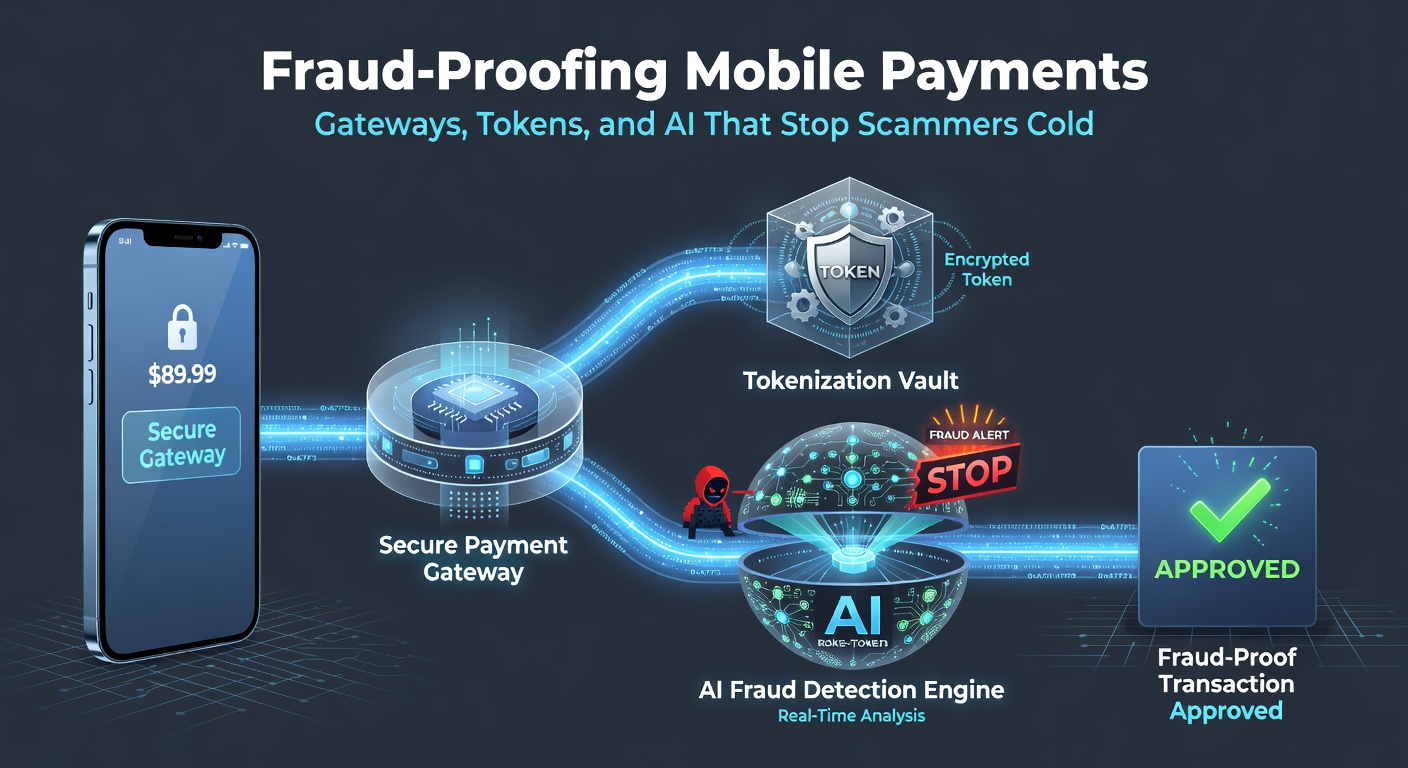
People often find that provisioning tokens during wallet setup involves one-time authentications via push notifications or SMS, building trust from the outset; this process, known as detokenization, happens only at the issuer's gateway, keeping the magic locked away.
AI and Machine Learning: Predicting and Neutralizing Threats
AI dives deeper, learning from vast datasets to spot fraud in real time without rigid rules; models trained on billions of transactions, like those from Feedzai or Riskified, detect subtle shifts in swipe patterns, typing speeds, or even accelerometer data during payments. Research shows these systems achieve 95% accuracy in flagging anomalies, adapting to new scams faster than humans could.
So, machine learning algorithms cluster behaviors – normal users tap steadily at checkout, while bots hammer endlessly – and score risks accordingly; unsupervised models uncover zero-day attacks by spotting outliers in unlabeled data, a trick that's thwarted account takeovers in apps like Venmo. What's significant is their use of graph neural networks to map fraud rings, linking devices, emails, and phones across incidents for proactive blacklisting.
Yet AI doesn't stop at detection; it automates responses like step-up authentication – demanding biometrics for borderline cases – or velocity throttling that slows suspicious sessions. Turns out, in April 2026 projections from Gartner analysts predict AI will handle 90% of fraud decisions autonomously, integrating with quantum-resistant encryption as threats evolve.
- Behavioral analytics: Tracks mouse movements on virtual keyboards or tilt during NFC taps.
- Anomaly detection: Flags payments outside learned spending habits, like a coffee loyalist suddenly buying luxury watches.
- Collaborative intelligence: Shares anonymized signals across banks via consortiums, amplifying network effects.
Layered Defenses in Action: Case Studies and Stats
Putting it all together, companies like PayPal layer gateways with token vaults and AI sentinels, reporting fraud rates under 0.1% despite handling trillions; one study from a Canadian fintech consortium revealed a 85% drop in mobile skimming after mandatory tokenization. Observers note how Starbucks' app combines these, using AI to analyze order histories against payment attempts, blocking mules mid-scheme.
And in emerging markets, Africa's M-Pesa employs gateway-AI hybrids to combat SIM swaps, verifying via voice biometrics; figures from the Reserve Bank of India show similar stacks reduced UPI fraud by 40% last year. It's noteworthy that interoperability standards, like EMVCo's token specs, ensure seamless cross-platform protection, from watches to EVs.
Challenges persist, though – AI hallucinations can false-positive legitimate users, prompting ongoing refinements via human-in-the-loop feedback; still, the rubber meets the road in metrics, with tokenized mobile fraud losses projected to fall another 50% by 2026 per Juniper Research.
Conclusion
Mobile payments thrive under gateways that vet every entry, tokens that disguise the prize, and AI that hunts proactively; together, these tools have transformed vulnerabilities into fortresses, with global losses stabilizing despite volume booms. Data underscores their impact – fraud rates plummeting as adoption rises – and as April 2026 approaches, enhancements like federated learning promise even sharper edges. Those navigating this space benefit from systems where defenses stack intelligently, ensuring taps remain quick, secure, and scammer-proof.