Digital Wallets and Credit Card Networks Combine Forces to Cut Transaction Disputes
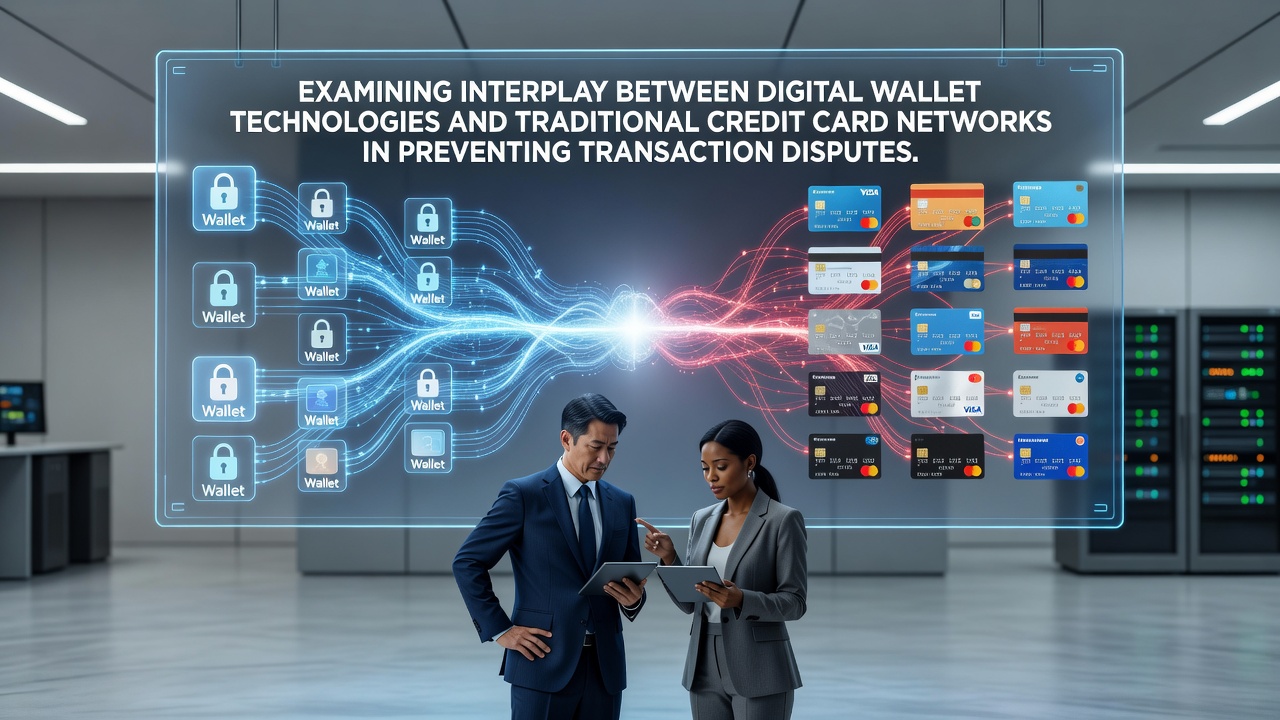
Digital wallet technologies now integrate directly with established credit card networks, creating layered verification systems that address transaction disputes before they escalate. Payment processors route transactions through tokenization layers supplied by wallets such as Apple Pay and Google Pay, while the underlying card networks apply real-time authorization checks that reference historical spending patterns and device identifiers. Observers note this combined approach reduces chargeback rates because each party contributes distinct data points that single systems cannot access alone.
Core Components of the Interplay
Tokenization replaces card numbers with unique digital tokens during wallet transactions, and credit card networks validate those tokens against issuer databases within milliseconds. Device binding adds another control where wallets confirm user identity through biometrics or passcodes before releasing payment credentials. Researchers have documented how these steps limit unauthorized use, because stolen card details alone no longer suffice when the network expects matching token and device signals. Merchants receive liability shifts in many regions once tokenization occurs, shifting dispute responsibility back toward issuers and wallet providers who maintain the cryptographic keys.
Data Sharing Protocols in Practice
Credit card networks supply risk scores derived from global transaction histories, while wallets contribute contextual signals such as location history and recent authentication events. This exchange occurs through standardized APIs that both sides adopted after 2020, allowing issuers to flag anomalies faster than legacy systems permitted. In June 2026, updates to EMVCo specifications further standardized how wallets transmit device trust levels to card networks, tightening the feedback loop that prevents disputes from reaching consumers. Those who manage high-volume merchant accounts report fewer retrieval requests because the combined data sets resolve most mismatches at authorization rather than after settlement.
Mechanisms That Reduce Disputes
Real-time authentication flows combine three-factor checks from wallets with network-level velocity monitoring that tracks spending across multiple merchants. When a transaction triggers an elevated risk score, the network can request step-up authentication through the wallet app before approving the charge. This process cuts friendly fraud because cardholders must actively confirm purchases that deviate from their established patterns. According to European Central Bank statistics on payment fraud, regions with widespread wallet adoption saw dispute volumes drop by measurable margins between 2023 and 2025 as these layered checks became standard.

Chargeback representment benefits as well because networks retain detailed logs of token creation, device fingerprints, and authentication timestamps that merchants can use as evidence. Issuers examining disputes now cross-reference wallet records against cardholder claims, which discourages unsubstantiated reversal requests. Academic studies from payment systems research groups indicate that this documentation trail strengthens representment success rates, particularly for recurring billing where authorization occurred through a stored wallet credential rather than manual card entry.
Regional Variations and Standards
North American networks emphasize liability shifts tied to tokenization compliance, whereas European frameworks incorporate Strong Customer Authentication rules that wallets must satisfy before passing transactions to card rails. Australian regulators have introduced separate reporting requirements for digital wallet dispute metrics, creating public datasets that analysts use to compare performance against traditional card-only channels. These differences shape how providers configure their integration points, yet the core technical handoff between wallet token services and network authorization engines remains consistent across markets.
Future Developments Expected After Mid-2026
Planned enhancements include expanded use of federated learning models where networks and wallet operators train fraud detection algorithms on shared anonymized data without exposing individual transaction details. Pilot programs scheduled for late 2026 aim to test instant dispute resolution interfaces that allow cardholders to review flagged transactions inside wallet apps before issuers initiate formal chargebacks. Such interfaces could further compress resolution timelines because the same entities holding authentication records would also manage the initial review step.
Conclusion
The interplay between digital wallet technologies and traditional credit card networks continues to evolve through shared protocols, standardized data exchanges, and coordinated risk management. These connections produce measurable reductions in transaction disputes by combining token security, device verification, and network-level analytics into unified authorization flows. As specifications update and new authentication tools roll out, the systems maintain their focus on preventing disputes at the point of sale rather than resolving them afterward.