Beyond Standard Platforms: How Specialized APIs Power Secure Mobile Subscription Processing Through Innovative Wallet and Account Integrations
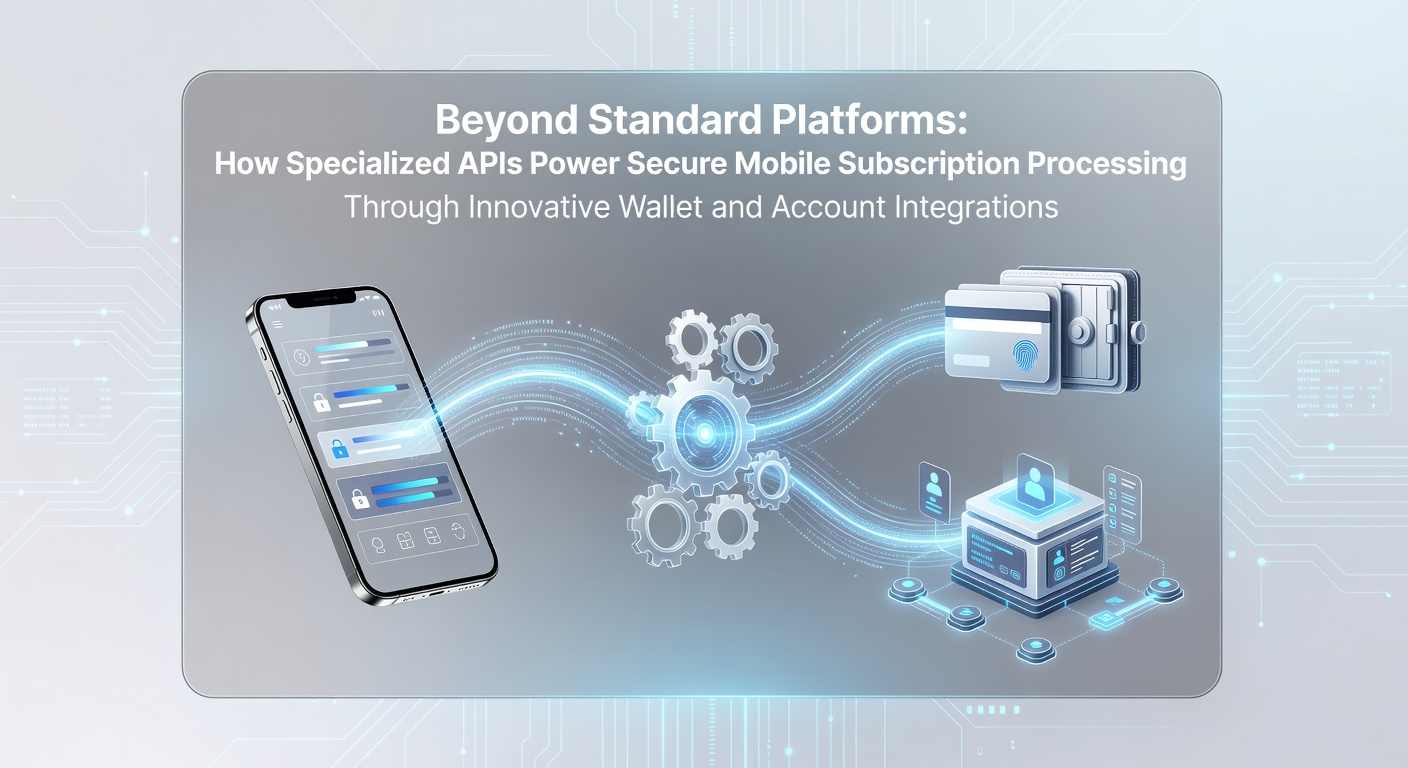
Specialized APIs have expanded mobile subscription processing beyond basic payment gateways by linking digital wallets directly to verified account systems that handle recurring billing cycles with layered authentication protocols. These connections allow service providers to manage user subscriptions across regions while maintaining compliance with varying financial regulations that differ between jurisdictions.
Integration Patterns Between APIs, Wallets and Accounts
Developers implement these APIs to create seamless flows where a mobile wallet initiates a subscription request that routes through specialized endpoints connected to both the user's primary banking account and secondary verification layers. The process pulls real-time balance checks and authorization tokens without exposing full account credentials during each billing interval which reduces exposure points in recurring transaction sequences.
Account integrations often incorporate multi-factor triggers that activate when subscription amounts exceed predefined thresholds or when geographic locations change unexpectedly during active billing periods. This setup supports services that operate across multiple currencies because the APIs normalize data formats before settlement occurs through established clearing networks.
Security Mechanisms in Mobile Subscription Flows
Encryption standards embedded within these specialized APIs encrypt subscription metadata at the point of wallet initiation then maintain that protection through account verification stages until confirmation reaches the merchant backend. Observers note that such layered approaches align with emerging standards discussed in industry forums during mid-2026 when several platforms began testing enhanced cross-border reconciliation features.
Token rotation schedules built into the API architecture replace static identifiers at regular intervals which limits the window available for potential interception attempts during high-volume subscription renewals. Researchers have documented how these rotations integrate with account-level fraud scoring systems that evaluate transaction velocity alongside historical user behavior patterns.
Handling Recurring Transactions Across Platforms
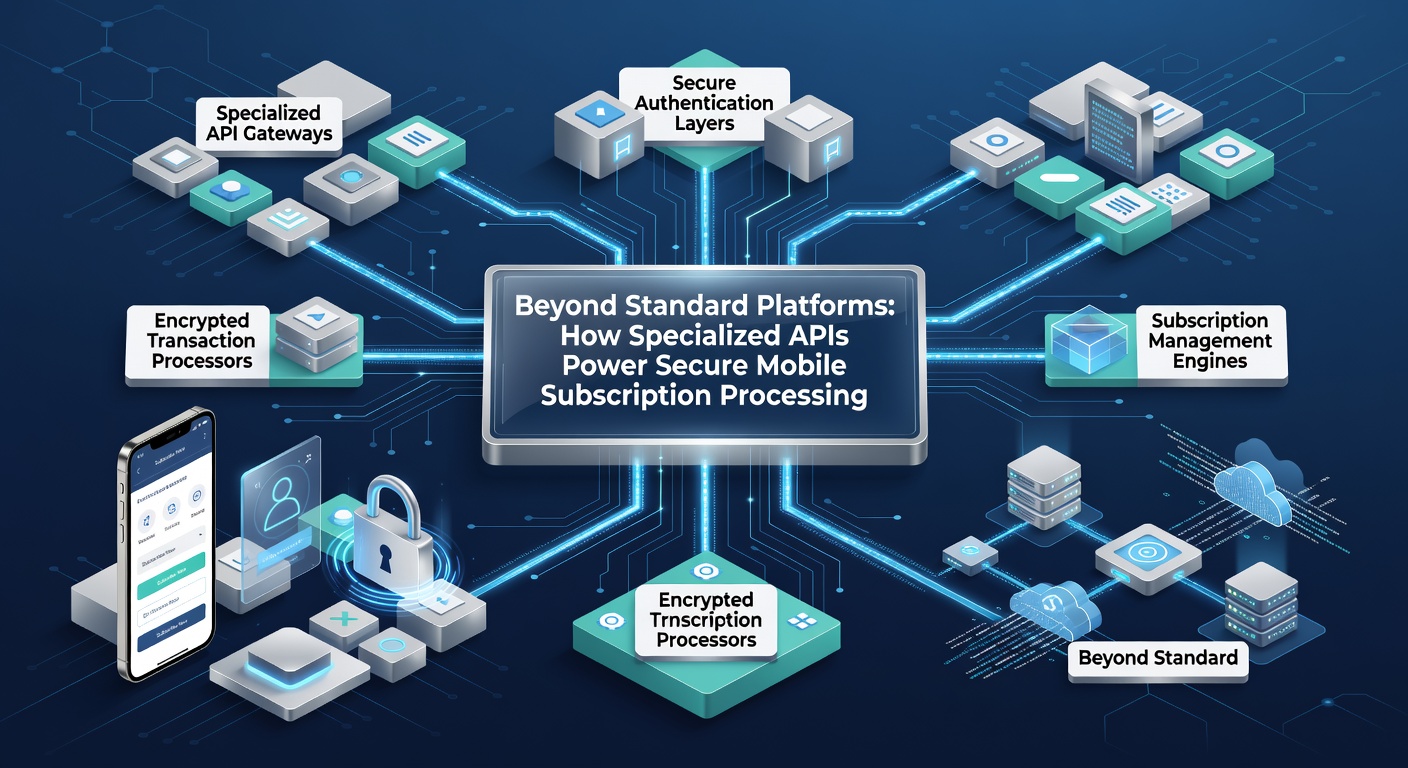
Subscription services that span multiple mobile operating systems rely on these APIs to synchronize wallet states with underlying account ledgers so that failed renewals trigger automated retry sequences without manual intervention from users. The connections support partial payments and prorated adjustments that reflect changes in service tiers mid-cycle.
Data exchanges between the API layer and account providers include structured fields for subscription identifiers that enable precise reconciliation during monthly reporting cycles. This structure helps merchants track active subscriptions while account holders receive consolidated statements that list all linked wallet activities in one view.
Regional Adaptations and Compliance Requirements
Payment frameworks in different regions impose distinct requirements on how APIs communicate subscription status updates back to account systems. Systems deployed in North American markets often prioritize instant verification loops whereas those serving Asia-Pacific users incorporate additional time-zone handling modules that maintain accurate billing dates across international datelines.
According to figures released by the Federal Reserve on digital payment volumes, specialized API usage for subscription models increased notably through the first half of 2026. Similar trends appear in reports from the Reserve Bank of Australia which tracked parallel growth in wallet-linked recurring payments during the same period.
Conclusion
Specialized APIs continue to reshape mobile subscription processing by establishing direct pathways between wallets and account infrastructures that prioritize security through continuous verification and adaptive token management. These integrations handle the complexities of recurring billing while meeting compliance demands across multiple regulatory environments. As adoption expands, the connections between these components provide the foundation for reliable subscription services that operate consistently across devices and borders.